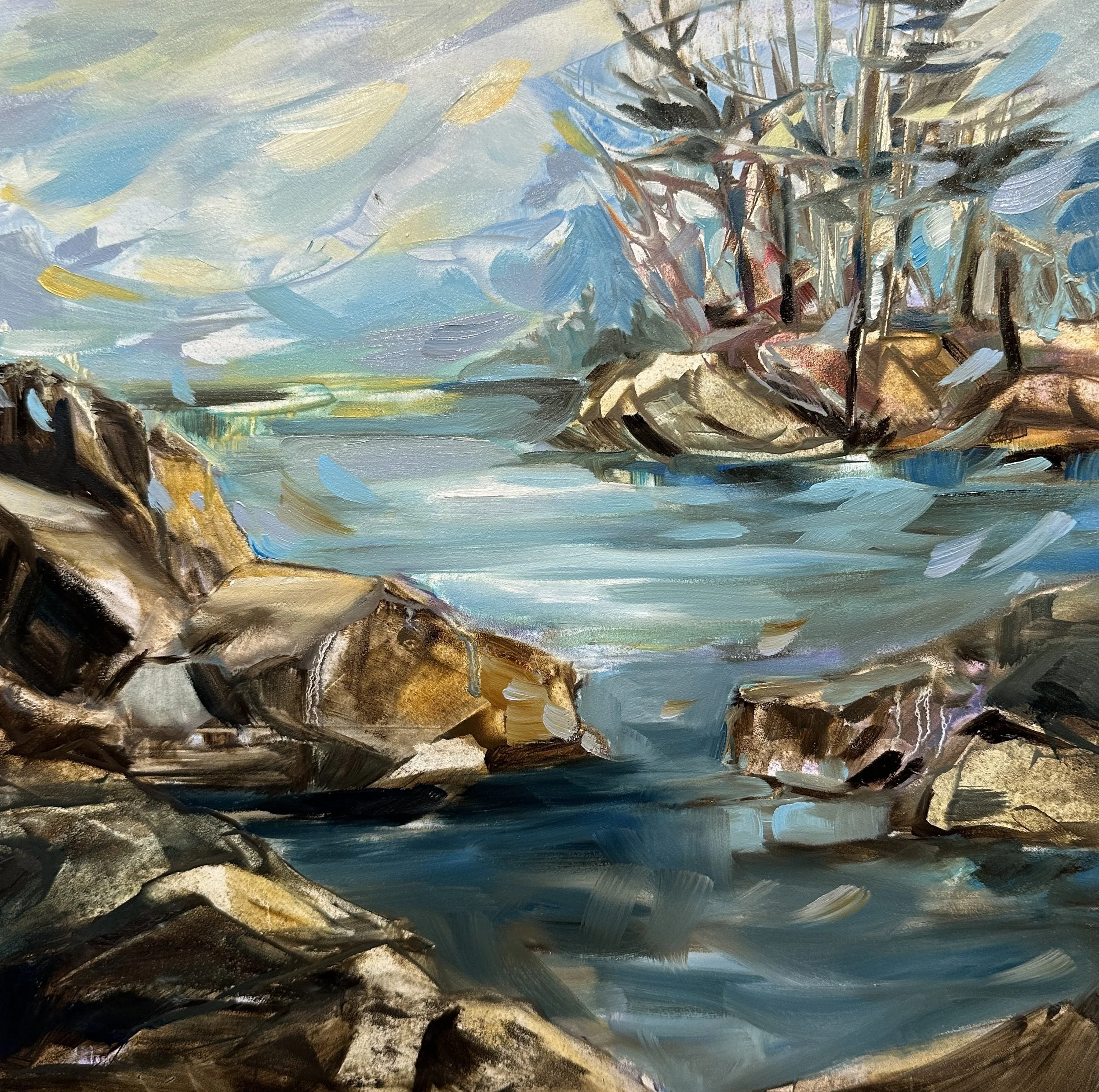
The landscape is the starting point,
but the painting is about the experience of being there: the light, movement, atmosphere, and memory of a place.
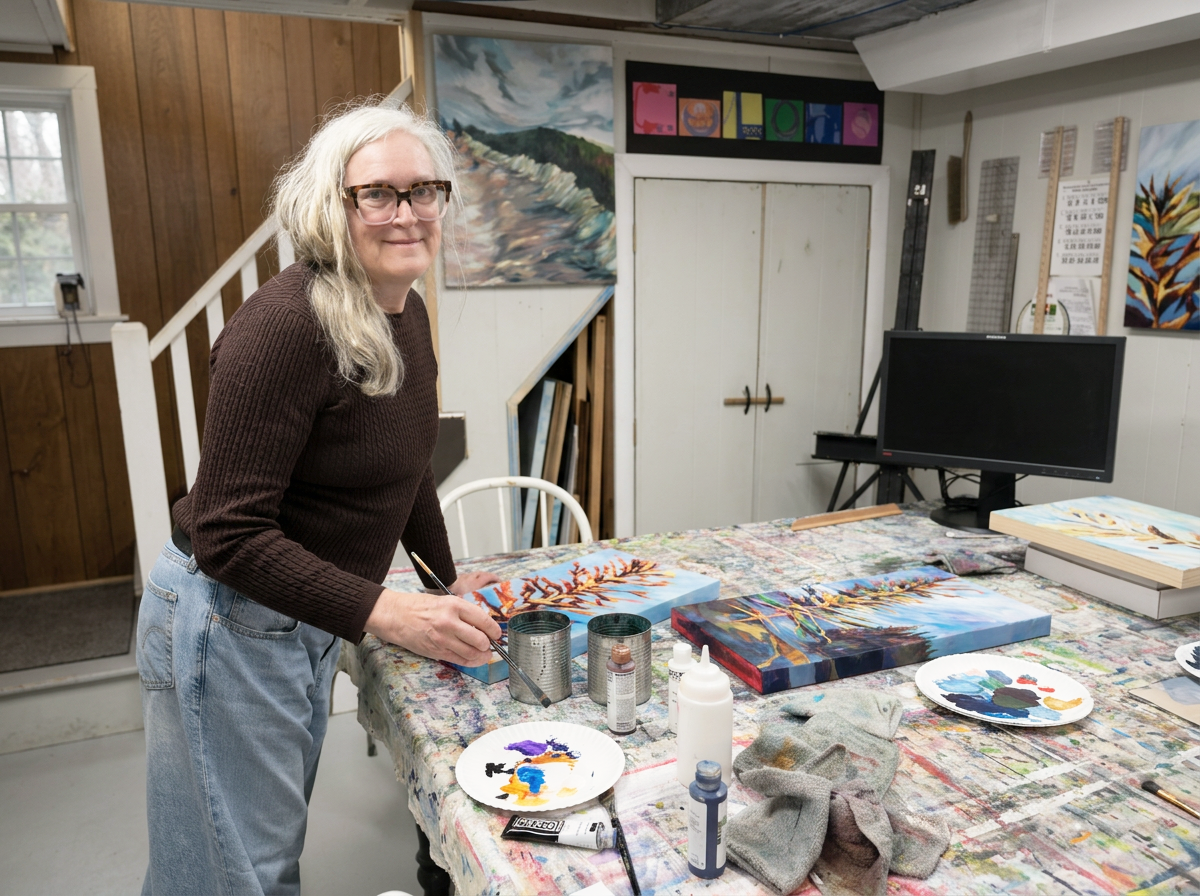
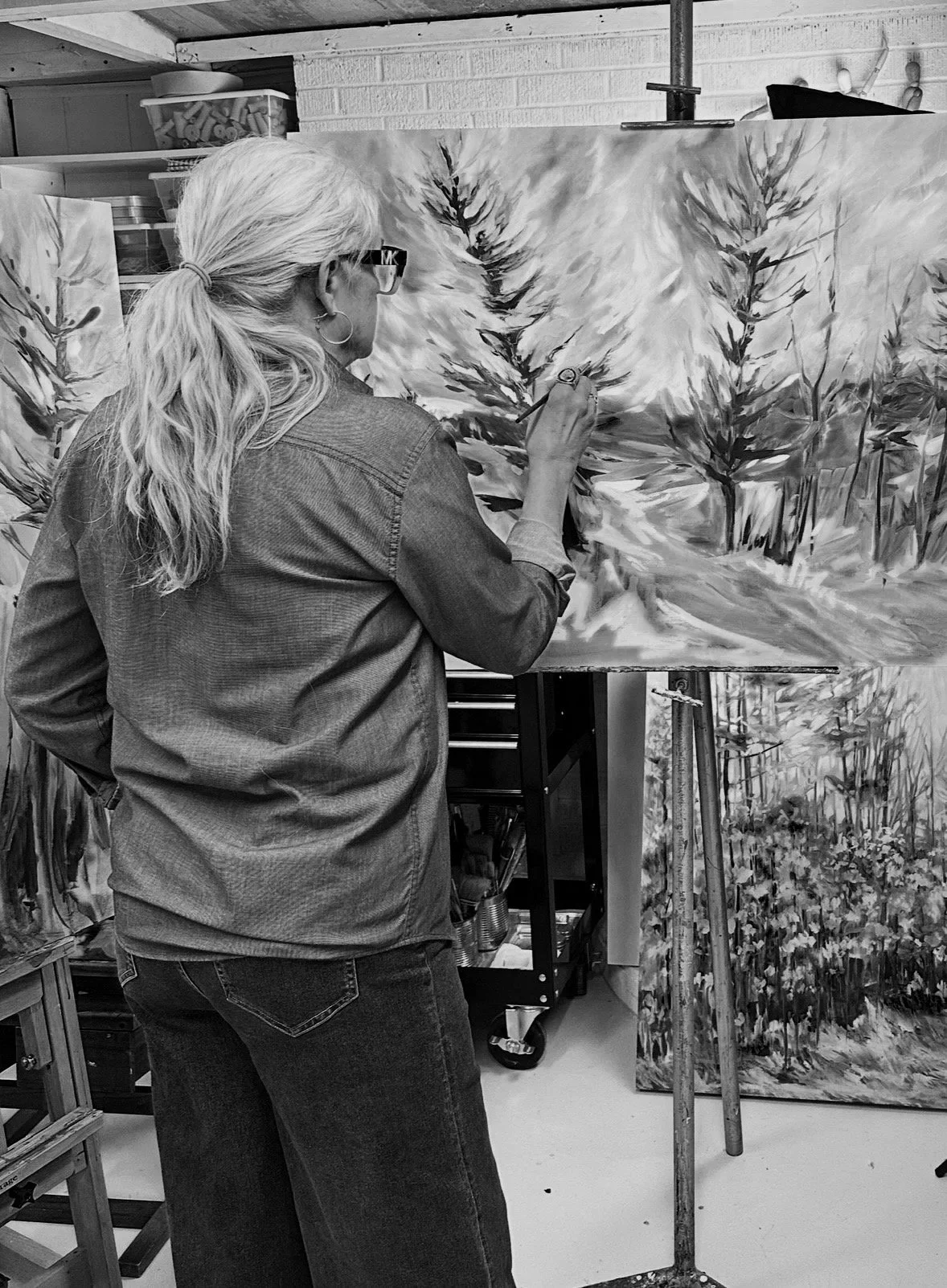
Elizabeth Gartner Howe is an established artist based in Michigan’s Upper Peninsula, where she lives and works along the shores of Lake Superior. For more than 40 years, she has developed a painting practice rooted in close observation of the natural world. Working both plein air and in the studio, she draws from direct experience as well as memory, using landscape as a starting point for exploring colour, light, movement, and atmosphere.
Her practice extends from intimate panel paintings to large-scale murals and public art installations. Primarily self-taught, Elizabeth has also studied with artists including Richard Claremont, David Langevin, and Sheila Davis. Her work has been exhibited in galleries and public spaces, is held in private collections across Canada and the United States, and has been featured in publications and on television.
Teaching has also been an important part of Elizabeth’s practice for more than three decades. Through Elizabeth Howe Studios, founded in 1989, she has taught and mentored artists at a range of stages in their development. She continues to balance this work with her own studio practice, building on a lifelong interest in painting and her ongoing connection to the landscape around her.
EXHIBITION: SEEING CLEARLY
BESSE CENTER AT BAY de noc COLLEGE
2001 North Lincoln Road, Escanaba, Michigan, 49829
Show Runs: March 2 - April 23.
Artist Talk/Panel Discussion and Reception is March 5 at 2 pm.
Curated by Art Faculty and Fine Arts Coordinator Kristine T Hunter
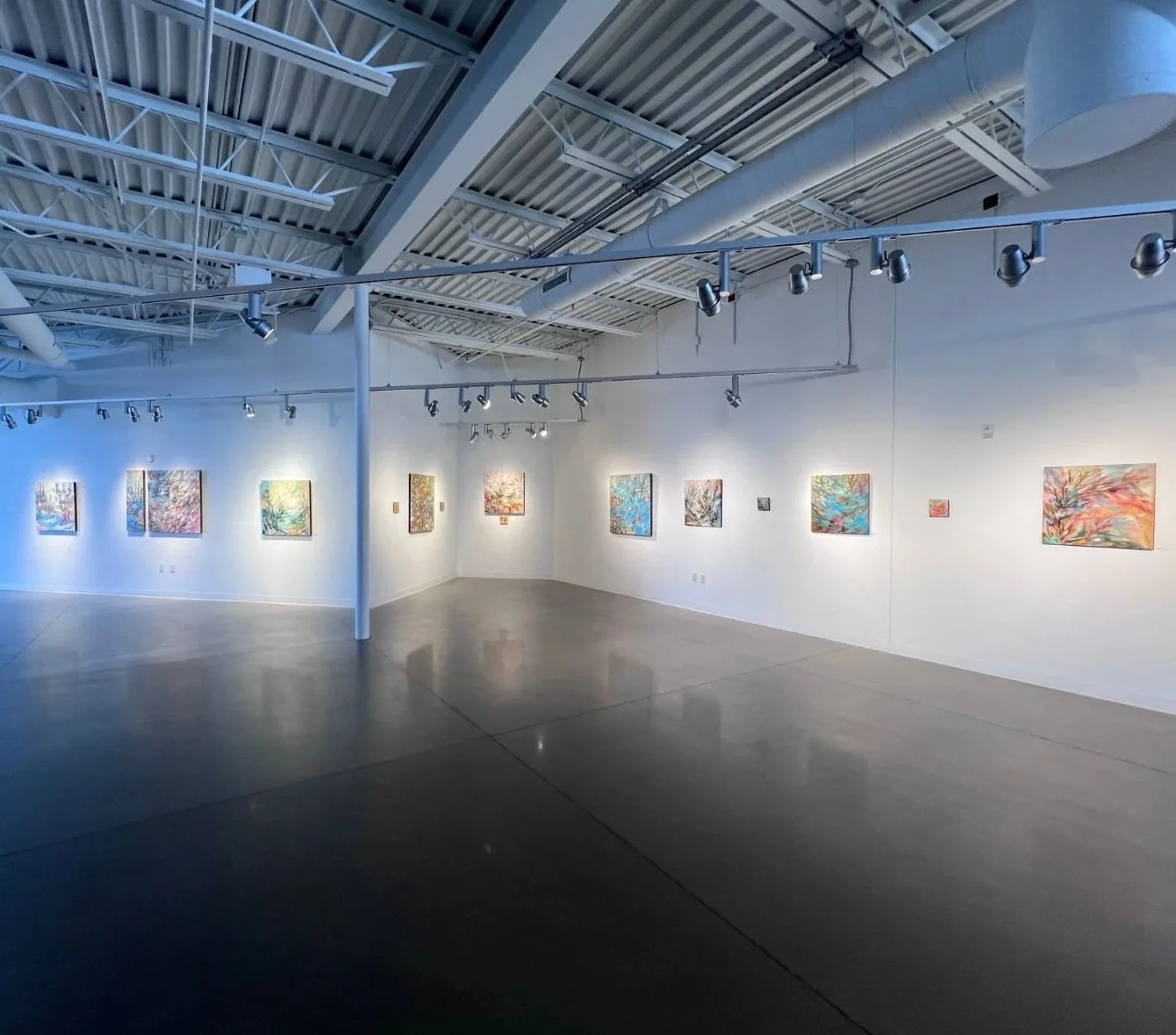
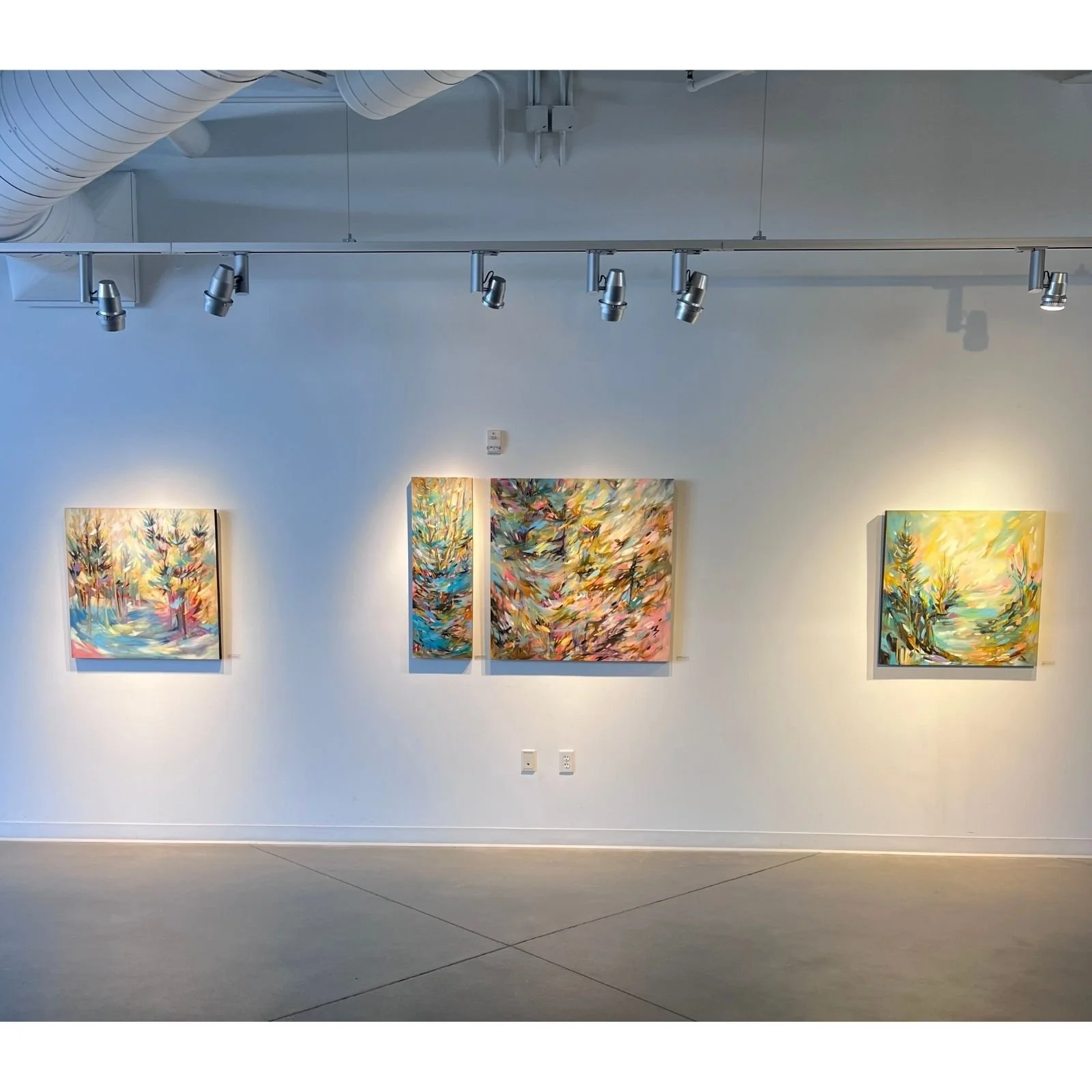
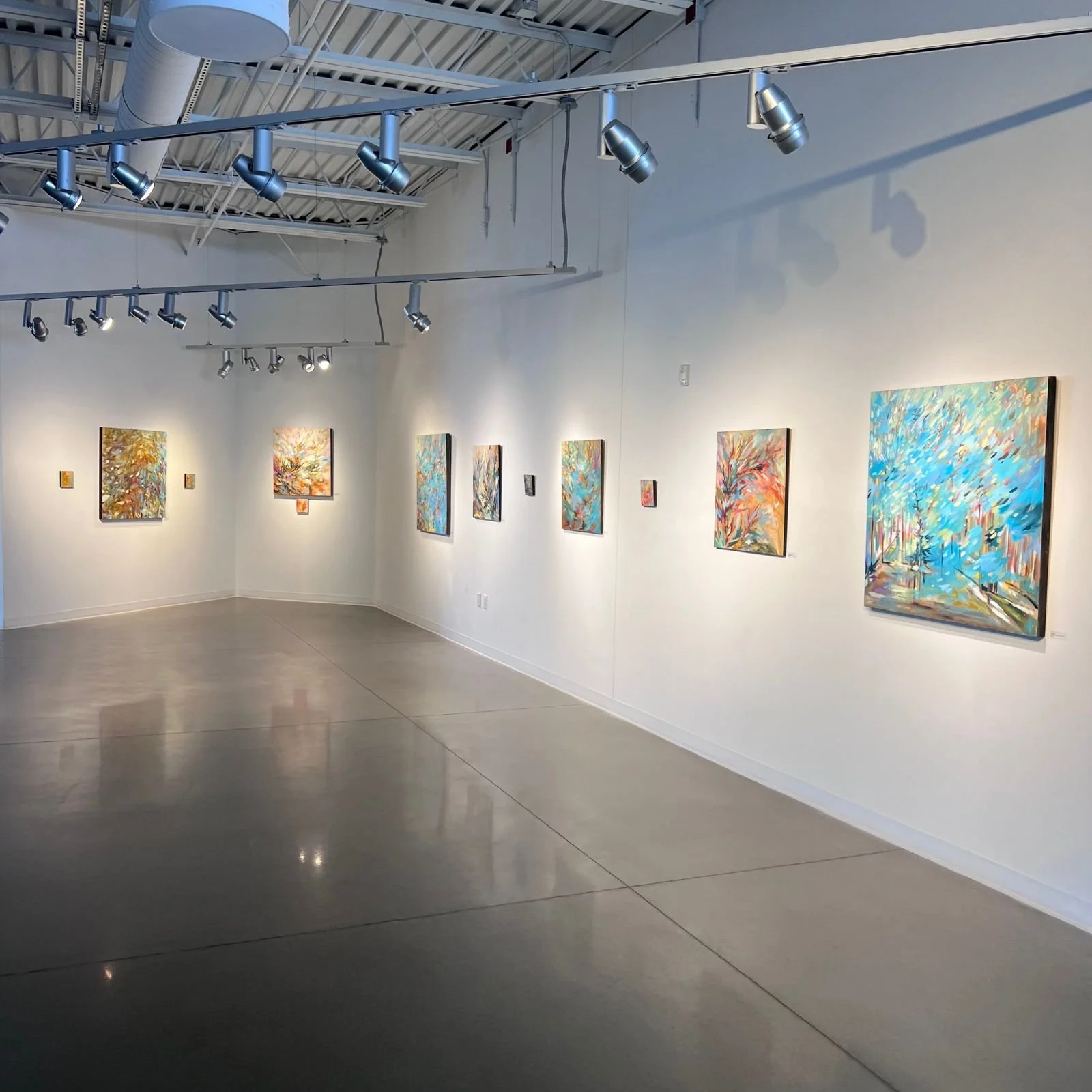
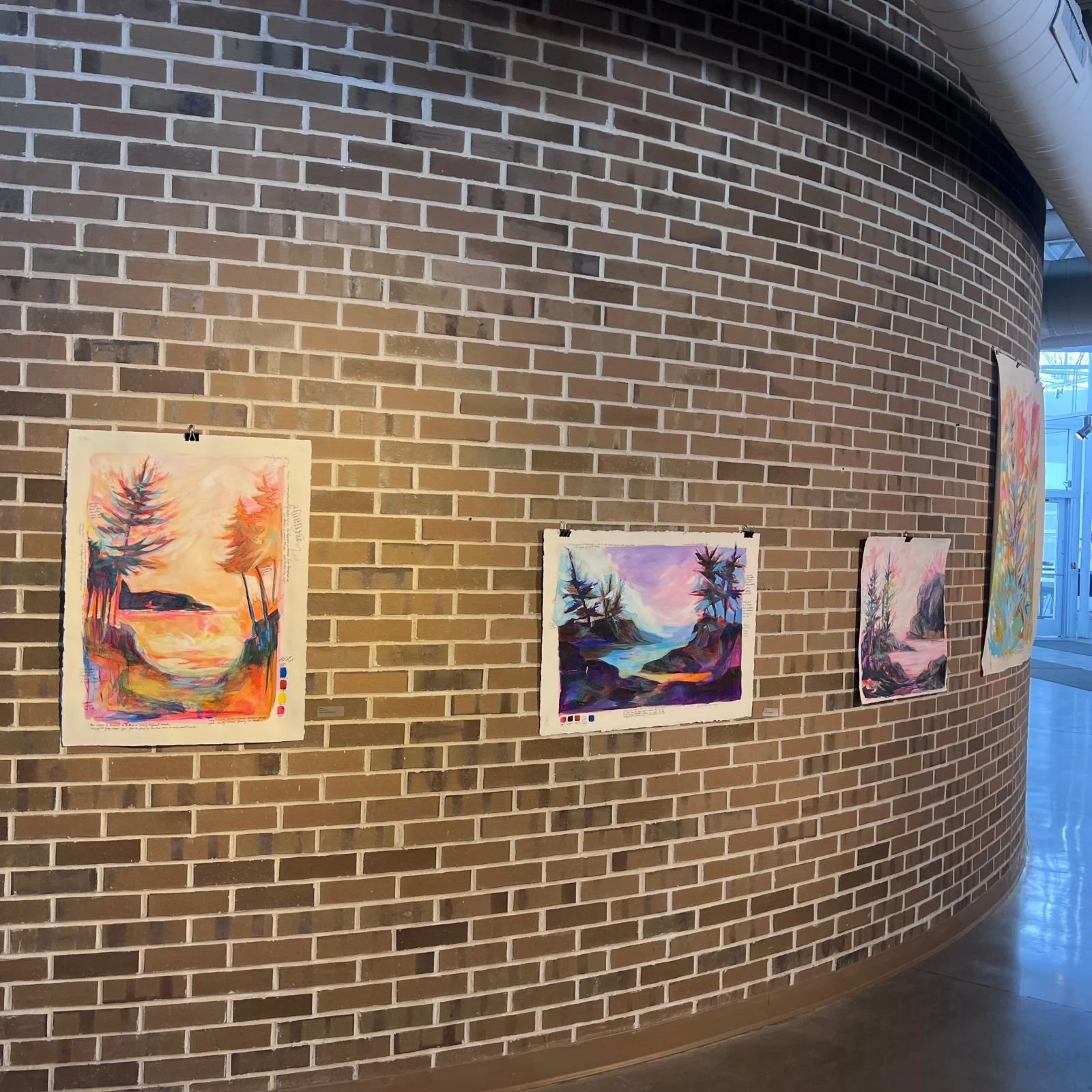
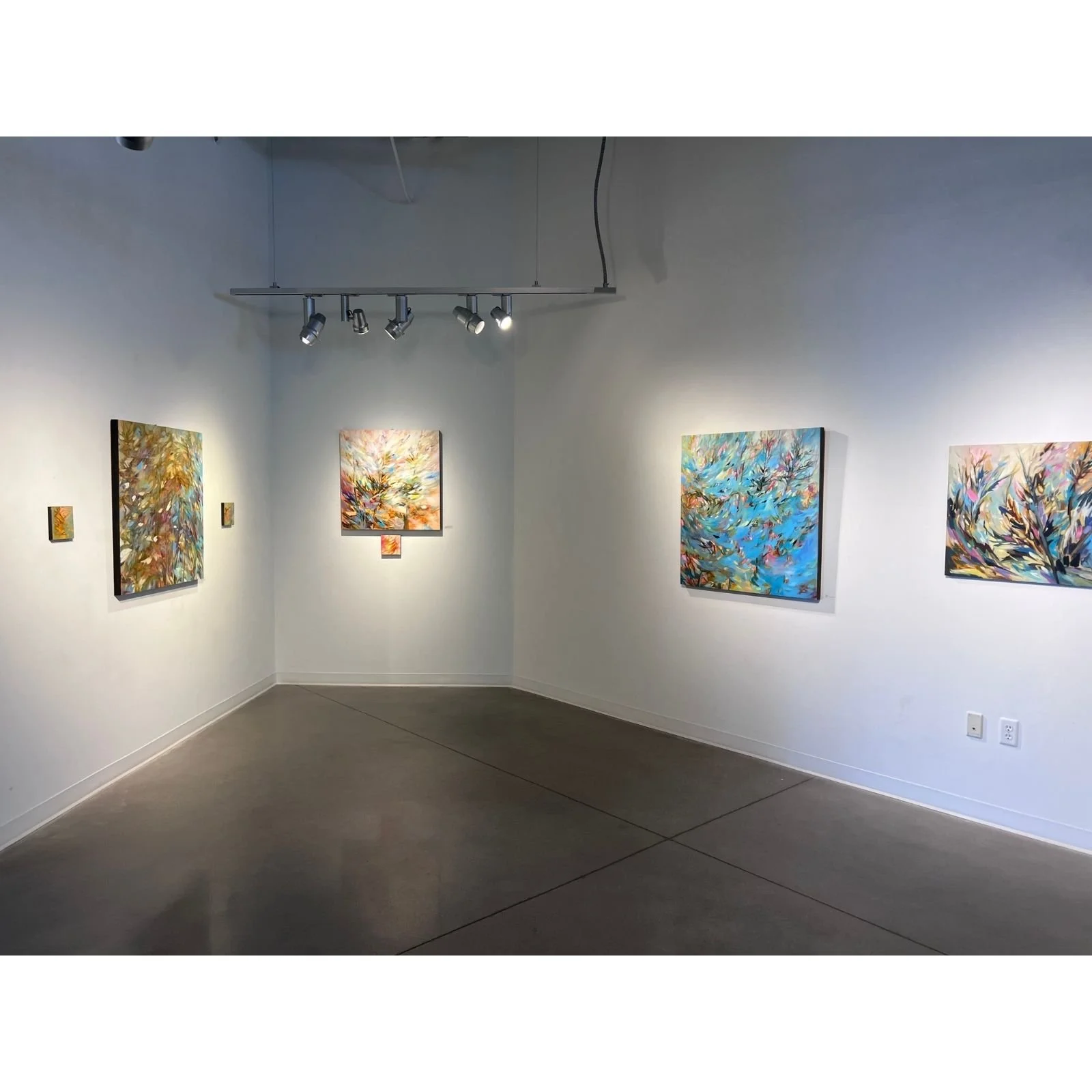
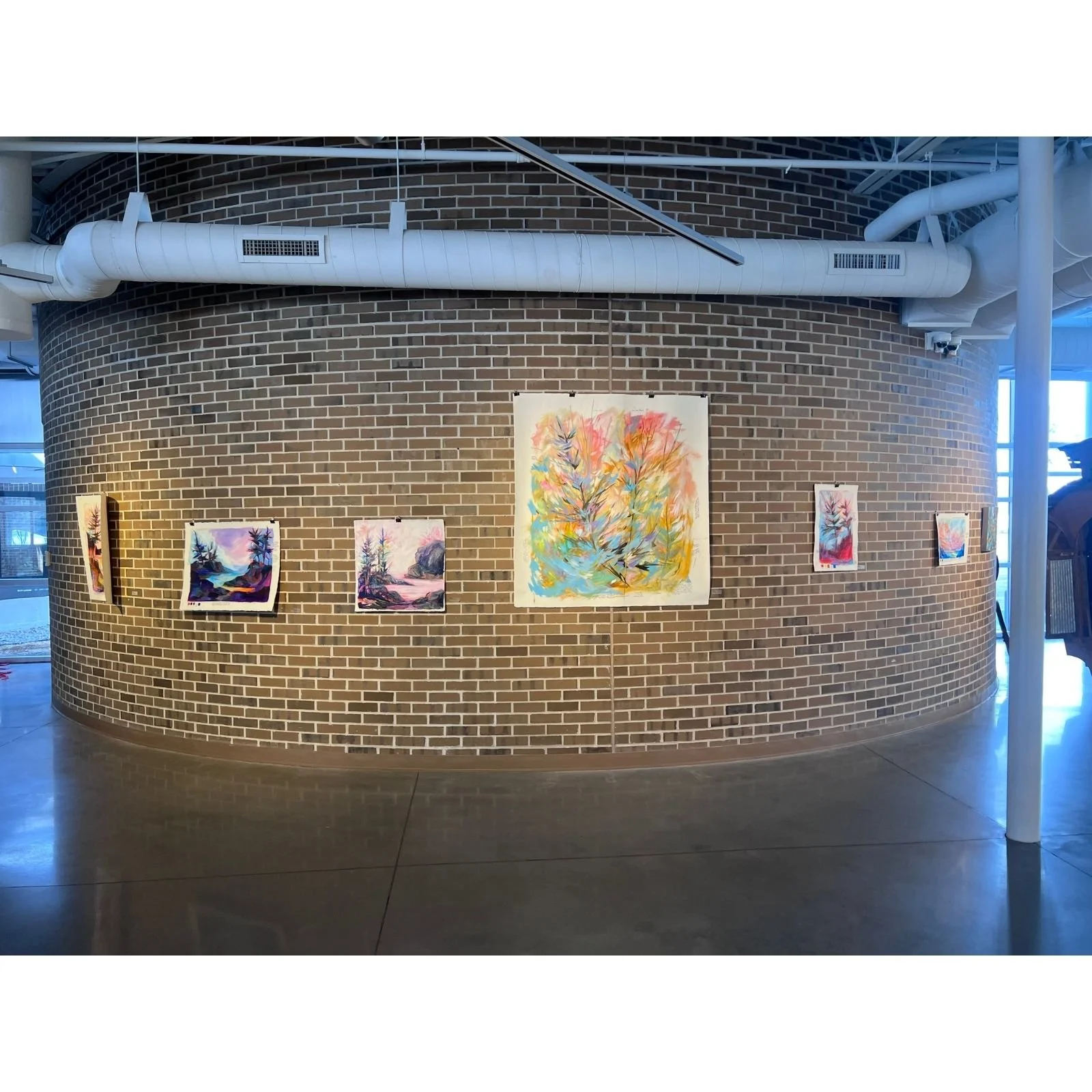
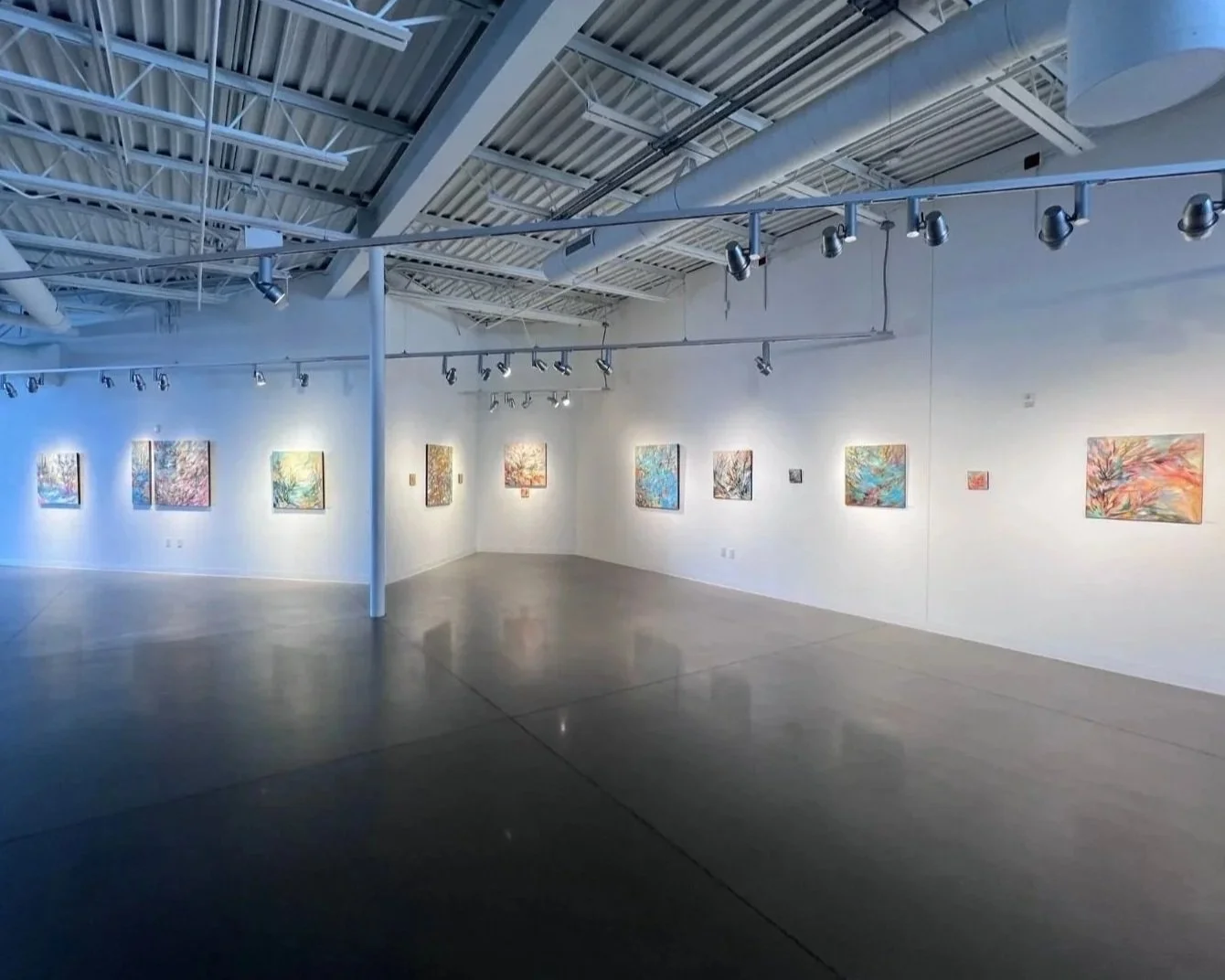
This exhibition brings together finished paintings and works on paper to trace the ebb and flow of an artistic practice. Large-scale paintings anchor the space, while a series of pinned sketchbook pages and studies reveal the thinking, revisions, and quiet decisions that shape each work.
Presented as both outcome and journey, the exhibition invites viewers to slow down, linger, and consider the value of small moments alongside larger gestures. In an educational setting, the work offers an open view into process — embracing uncertainty, intuition, and the layered labor of making.